 IV drip treatment has become a popular and effective method to replenish your body’s stores of vitamins, minerals, and antioxidants. The method was originally intended to be used in hospitals to administer medications. However, IV drip treatment is now available outside the hospital setting, making it easier than ever before to give your body the essential nutrients it requires.
It’s common knowledge that vitamins and minerals are available in the form of oral supplements. However, when a nutrient is taken orally, it must be absorbed through the digestive tract into the bloodstream. This process involves a relatively slow absorption process and a percentage of the nutrient is lost as waste.
On the other hand, receiving nutrients via IV drip provides fast absorption with instant access to your bloodstream, as well as no waste. With the advent of IV drip wellness centers, people can receive vitamin and mineral infusions in a convenient, comfortable setting. (more…)

 Many people set a goal to lose weight at the start of the year. But, even with a balanced diet and exercise regimen, it can be difficult to shed extra pounds (and keep them off).
 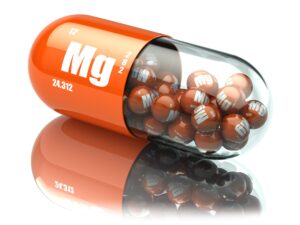 Magnesium is a mineral that your body needs for many different functions and processes. It affects your brain chemistry and hormones, which can ultimately affect your mood, stress levels, and overall mental well-being. With this in mind, patients suffering from depression and/or anxiety may benefit from
  During winter, we can all benefit from an immune boost. This year, skip the pesky colds and keep your immune system at its best with our booster shot services.
  Whether due to stress, infection, an underlying medical condition, or an entirely unknown reason, chronic fatigue can quickly diminish your quality of life. With chronic fatigue, people often struggle to get through their daily schedule and may miss out on their favorite activities.
  IV therapy has rapidly gained popularity over the years for its ability to dramatically boost hydration, address nutrient deficiencies, and even ease hangovers. But, did you know that receiving regular IV drip therapy can boost your overall health and wellness? Here’s how:
 Aging is inevitable. But, with various advancements in anti-aging medicine, you no longer have to look your age!
  We all know that we need to drink water to survive. However, you may not realize how crucial hydration is to a range of bodily functions. When you’re dehydrated, you may start to experience dizziness, headaches, fatigue, and dry skin.
  These days, it often seems as though people are constantly seeking new ways to get an energy boost. With hectic schedules and long to-do lists, the amount of energy that you need to simply get through the day is significant.
  As an athlete, performance and recovery are crucial to your day-to-day routine. While sports drinks and supplements may make a nominal impact, IV therapy delivers vitamins and nutrients directly to your bloodstream, allowing for rapid absorption.